For our final blog in the Surviving Your Twenties series, we’ll be talking all things budgeting with Vernique. Budgeting is one key thing that we all should learn to do and today Vernique is here to help us navigate how to budget in our twenties.
Vernique is a Certified Public Accountant and a media correspondent. Vernique is multifaceted and very talented in the financial services and media industries. She has worked as a TV show host, red carpet host for award shows, radio personality and the list goes on. She also has a financial literacy blog, hellovernique.com. In today’s blog post, Vernique shares her tips for budgeting in your twenties.
Why is it important for young people to understand the importance of money management early in life rather than later?
Our economy is partially driven by capitalism and consumerism. Capitalism is trade and industry being controlled by private owners for profit, while consumerism refers to the theory that spending money and consuming goods is good for the economy. Both concepts include the use of money. Due to those factors, it is essential for young people to be financially literate and educated from early in life rather than later.
What inspired you to start your financial literacy blog?
My inspiration was driven by various factors. My professional background entails both Accounting and Media, creating a financial literacy blog was a marriage of my expertise in both fields. Also, I work closely with a local children’s home and during my time there I’ve noticed an opportunity to assist them with building skills such as resume-building and financial literacy. Lastly, I’ve made a few financial mistakes and I wanted to help others so they don’t do the same.

When I start my first job how much of my income should I be saving?
The answer to this question is subjective. Everyone’s financial goals aren’t the same. I highly recommend assessing one’s financial position by calculating one’s net worth (personal assets – personal liabilities). Then, consider financial goals, figure out ways to curb poor money habits (if applicable), create a budget, along with an action plan.
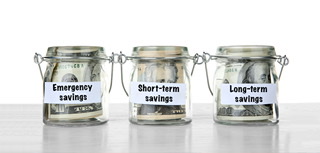
Savings can be broken down into short-term, long-term, and an emergency fund. Everyone may not be able to attain this right away. It’s okay to start small. There are various savings methods: set a fixed amount, use a percentage of income, 50/30/20 rule (50% spent on necessities, 30% on wants, and 20% on savings), or the 80/20 rule which is 80% of income spent on necessities and 20% on savings.
If your income is fixed from month to month, saving a fixed amount will be recommended. If it varies, utilizing a percentage approach is recommended. The amount saved depends on the person and his/her financial situation. Personal finance is not a one cap fit all approach.
“
Savings can be broken down into short-term, long-term, and an emergency fund.
Where should I save my money to get the most out of my savings?
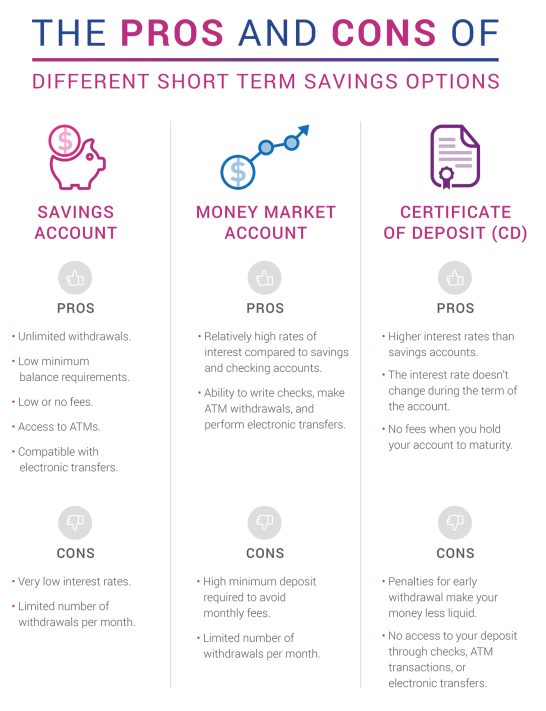
When considering the best option to maximize savings, consider the interest rates offered by the financial institutions. Participants in an asue usually do not earn interest on their money. Various financial institutions have different rates. It is best to contact the banks and credit unions to decide which account offers a maximum return. In addition to a regular savings account, banks also offer money market accounts and certificates of deposit. Below I highlight the differences:
- A money market account
- Pay higher interest than a regular savings
- Have higher minimum balance requirements (sometimes $1000-$2500)
- Only allow three to six withdrawals per month
- Certificates of deposit (CDs) are a special type of savings account.
- CDs generally pay higher interest rates than savings or money market accounts
- CDs require one initial deposit which remains in the account until it reaches its maturity date
How should I budget my money, i.e. weekly, monthly; using spreadsheets, apps etc.?
I recommend aligning your budget with your pay periods. For example, if you’re paid on a weekly basis, budget on a weekly basis. The method one uses, whether it’s a spreadsheet, envelope method, written down, or a mobile application depends on what’s more efficient for the person. There are various budgeting apps; however, all are not compatible within our region in The Bahamas. Wally and Good Budget work within our region.

If I’m considering investing, what are some things I can invest in?
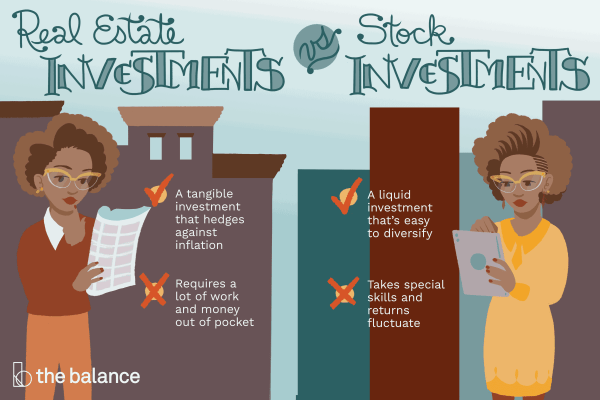
Financial instruments and real estate are investment vehicles. The type of investments you pursue will depend on various factors, including your risk appetite, preferred timing of return, and more. Fixed income (bonds) are typically safer to invest in due to the somewhat guaranteed interest payment dates and they’re usually government issued. On the other hand, return on equity investments (stock) such as dividends and capital appreciation may not be guaranteed but you can enjoy great returns if the company and market perform well. Mutual funds are another option. A mutual fund is a professionally managed investment fund which pools investor’s capital and manages a portfolio of stocks, bonds, and/or other instruments. Mutual funds
In The Bahamas, interested parties can invest in financial markets via a broker-dealer institution or the Central Bank of The Bahamas. For more information about the Bahamas International Stock Exchange, visit bisxbahamas.com.
If I’m thinking about getting a loan, what are some things I should consider?
When considering a loan, one should do the following:
- If applicable, assess your current debt situation. If you have existing debt, determine the best method to reduce it in an appropriate time prior to attaining additional debt.
- Consider the different terms such as rates, required downpayment, and fees outlined by various financial institutions.
- Factor the loan payment into your current budget.
What is your top tip for surviving your twenties?
My top financial tip for surviving your twenties is to live within your means.

“
Live within your means.
You can follow Vernique on Instagram @hellovernique and check out her blog, hellovernique.com for all of your financial literacy tips.
What did you learn from this blog that you never knew about? Which of Vernique’s tips did you find the most helpful to you? Let us know in the comments!
 Schar's Mind