
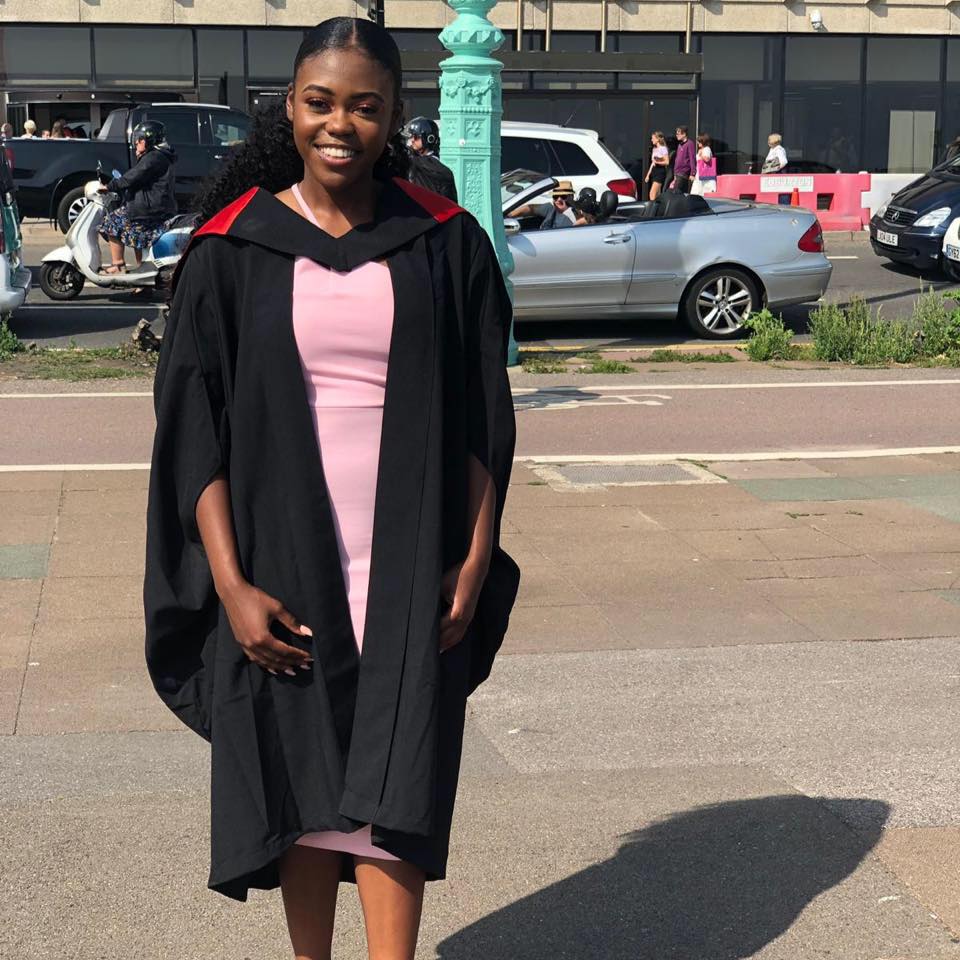
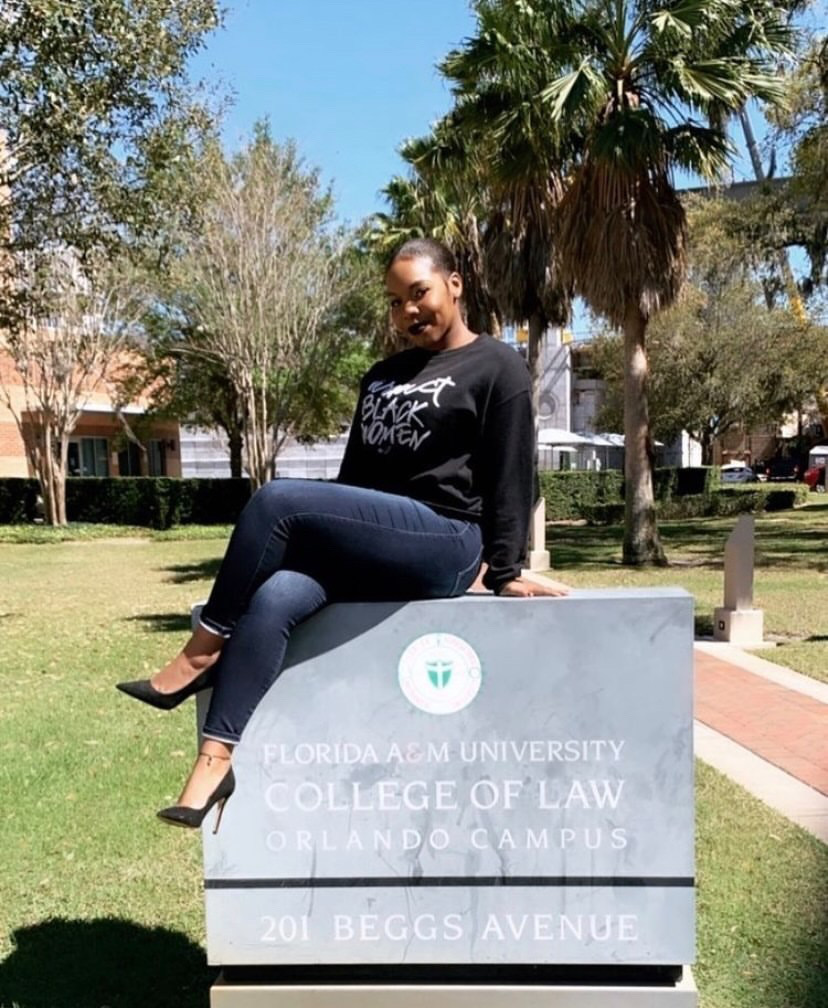
In this week’s blog, we’re talking all things law school. I am joined by Brenique and Zhara-Marie. Brenique holds a Bachelor of Arts degree in English from Oakwood University and is currently in 2L (2nd year law) at the Florida A&M College of Law in Orlando, Florida, USA. Zhara-Marie holds a Bachelor of Laws degree from the University of the West Indies and is currently in her second and final year of Bar School at Norman Manley Law School in Jamaica. Scharlee holds an Associate of Arts degree in Law and Criminal Justice from the College of The Bahamas, a Bachelor of Laws degree from the University of Sussex in Brighton, England and recently completed the Bar Professional Training Course at BPP University in Birmingham, England.
What is the route to law school? How many years do you have to spend in each stage?
Brenique: In the USA, you must have a Bachelor’s degree before attending law school. It doesn’t matter what you decide to major in. In order to be accepted into law school, you must pass the Law School Admissions Test (LSAT).

Zhara-Marie: In Jamaica, you first need to get into a Bachelor of Laws (LLB) program after you’ve completed 2 Units of CAPE or have been awarded an associated degree. Your grades in these exams are expected to be excellent, so the more 1s in CAPE the better the chance to get in and the higher the grades on the transcript from your associate degree. After successful completion of the LLB, you must then spend 2 years at the Norman Manley Law School. This route is similar for other law schools in other Caribbean countries.

Scharlee: In the UK, students require A levels in order to enroll on a Bachelor of Laws (LLB) program. Since I came from The Bahamas, I completed an Associate’s degree in law which was equivalent to A levels. After successfully completing law school, you must then determine whether you would want to be a barrister (the lawyer who goes to court) or a solicitor (the lawyer who assists clients on a long term basis and usually does matters like conveyancing and drafting documents). If you decide that you want to be a solicitor, you would go on to complete the Legal Practice Course which is now currently in transition. If you would like to become a Barrister, you would complete the Bar Professional Training Course. In order to get on to the BPTC, you must pass the Bar Course Aptitude Test.
What made you choose your law school to study at?
Brenique: Location! After attending undergrad in Alabama, I realized I did not like being far away from home (The Bahamas). FAMU is an HBCU! There’s no argument that the theme of race is repetitive in the law. I couldn’t imagine sitting in a classroom where race was always the
elephant in the room and never addressed/talked about. I chose to attend law school in the US because I attended undergrad in the US and attended many law school conferences which predisposed me to many opportunities that were limited to opportunities in the US.
Zhara-Marie: I did my LLB at The University of the West Indies Mona, because it’s the oldest University here in Jamaica, with the best teachers and the best law program structure. Additionally, attending UWI, gave me the opportunity to automatically matriculate to Norman Manley Law School (NMLS) without taking an entrance exam because of the Treaty of Chaguaramas. NMLS is the only law school in Jamaica, and I wanted to stay home.
Scharlee: I completed my first degree in The Bahamas because I wanted to spend some time home before going off to school. I decided to study in the UK because of the reputation that UK law schools have, to gain international exposure and experience a new culture. I chose University of Sussex because of the great student life that Sussex had and the melting pot of different cultures. I chose BPP University because I attended lots of bar events at BPP and they had various campuses throughout England so I was able to study at a campus outside of the hustle and bustle of London.
What are some things to consider when choosing a law school?
Brenique: Can you picture yourself living in that particular state/country for three years of your life? Law school is stressful enough, you don’t need other stressors adding to that.
Consider the overall atmosphere of the school. Again, law school is extremely difficult, you don’t want to be in a place where you’re uncomfortable.
Can you picture yourself possibly practicing in the state post law school? While you’re not limited to only taking the bar in the state in which you attend law school, because you learn all of the nuances and particulars for that specific state, it’s more convenient to attend law school in the state you wish to practice. Also, a lot of future employers are more inclined to hire individuals who studied law in the state in which they are trying to practice in so, practicing law in the state you
went to law school in might give you more of an edge.
Zhara-Marie: Major things to consider are the quality of the education and whether the price is something you can afford , because there has to be a balance.
Scharlee: Do your research. You should consider the cost of the school and whether you can apply for scholarships to fund your education if you are unable to afford it. Each university in the UK has a different price so make sure you choose a school that is in your price range. Also, check the ranking of the university on the UK University Times Ranking. Reach out to people who have studied at the university before you to find out how the teaching is and how the student life is. Research the city because you should consider whether you would prefer city life or country life. Law school is a lot of work so make sure it’s the right subject for you. Weigh your options, would it be better for you to stay home and complete law school or go abroad and do law school? Consider the pros and cons of each.
How are classes structured in law school?
Brenique: Lectures for the most part are pretty big. My biggest class is about 75 students
and my smallest class is about 50. In law school your lecturers follows the Socratic method; meaning you’re randomly called on in class to brief a case or lead out in the discussion; yes, just
like legally blonde lol. We get assignments but they’re not usually graded. For most of my classes, the only thing that matters is how you perform on the final examination.
Zhara-Marie: Big lectures to teach the content, and then smaller tutorial groups to discuss the content.
Scharlee: In law school, there are large lectures and small tutorial/seminar classes. In the lectures, the lecturers explain the topic and in the seminars, students answer question on the topic but it is not graded. In bar school, there were mainly Small Group Sessions and the lectures were usually online so you had to watch the lectures on your own time (This was specific to BPP University). Advocacy and Conference small group sessions are usually the time where you highlight your public speaking skills.
For tips on Surviving Difficult Classes, click here.
What has been the biggest adjustment you had to make in law school?
Brenique: I had to learn time management. Before law school I thought scheduling everything was insane; however, scheduling EVERYTHING in law school is an absolute necessity. Law school teaches you just how insufficient 24hrs in a day is. I also had to learn to study with others. Prior to law school, I preferred studying alone but study partners and study groups are really essential in law school.
Zhara-Marie: The work load. Maaayne, it’s ridiculous lol , but our jobs as lawyers won’t be easy so I guess it’s just setting the bar for the future.
Scharlee: The amount of work was very overwhelming. Bar school was especially difficult because it was constant preparation for small group sessions in addition to preparing skeleton arguments and conference plans and having to always be prepared to speak for conferencing and advocacy sessions.
For tips on Surviving Classes on Zoom click here.
What advice would you give to someone interested in studying law?
Brenique: Just be prepared to work the hardest you’ve ever worked in your life. It’s simply 6
semesters of your entire life. After those long, hard six semesters you’re able to reap the benefits of your hard work forever and it will all be worth it. If I can do it? You can do it too! Just work hard and never stop believing in yourself.
Zhara-Marie: Firstly, establish your “why” . You can either love the law or hate the law, it’s an area that requires particular devotion, therefore, in order to not be miserable throughout all your years, you have to want it . If you’re doing it to please your parents or society’s idea of success it will be a long , draining process that you will definitely despise. The process will be challenging, but if it’s something that you really want, you can get through it.
Secondly, Law will take over your life, so hold on to your hobby, your friends etc. for dear life and be ready to schedule those things in for your sanity. Prioritising is very important , and that part of your life is essential, don’t leave it out. Once you’re ready and willing to apply yourself, you will be successful, so get ready to work, and get ready for an interesting experience.

Scharlee: Work hard from Day 1. The workload can pile up very quickly so it’s important to establish a plan from the very beginning. Write your study notes early. Make time to do your work and study. Do all of your seminar preparation. If you work well in study groups, find a few dedicated people to study with. Take care of yourself. While it is an important time in your life, ensure that you’re not neglecting yourself and do different things that make you happy. There will be times when you feel overwhelmed and want to give up but keep going. Most importantly, do your best.

For tips on Overcoming Procrastination, click here.
We hope this blog was useful for you in determining whether law school is right for you or providing you with advice on how to survive law school. You can follow Brenique on instagram @breealexa_ . You can follow Zhara on instagram @arahzii_ and you can follow me on instagram @scharsmind.
All the best with your studies!
What stood out to you the most in this blog post? Let us know in the comments!
 Schar's Mind
One thought on “Surviving Law School: UK, USA and Jamaica”